Jonas Becker · 27 October 2026
Acoustic Monitoring Projects Uncover Nocturnal Mammal Patterns in Fichteberg Regions
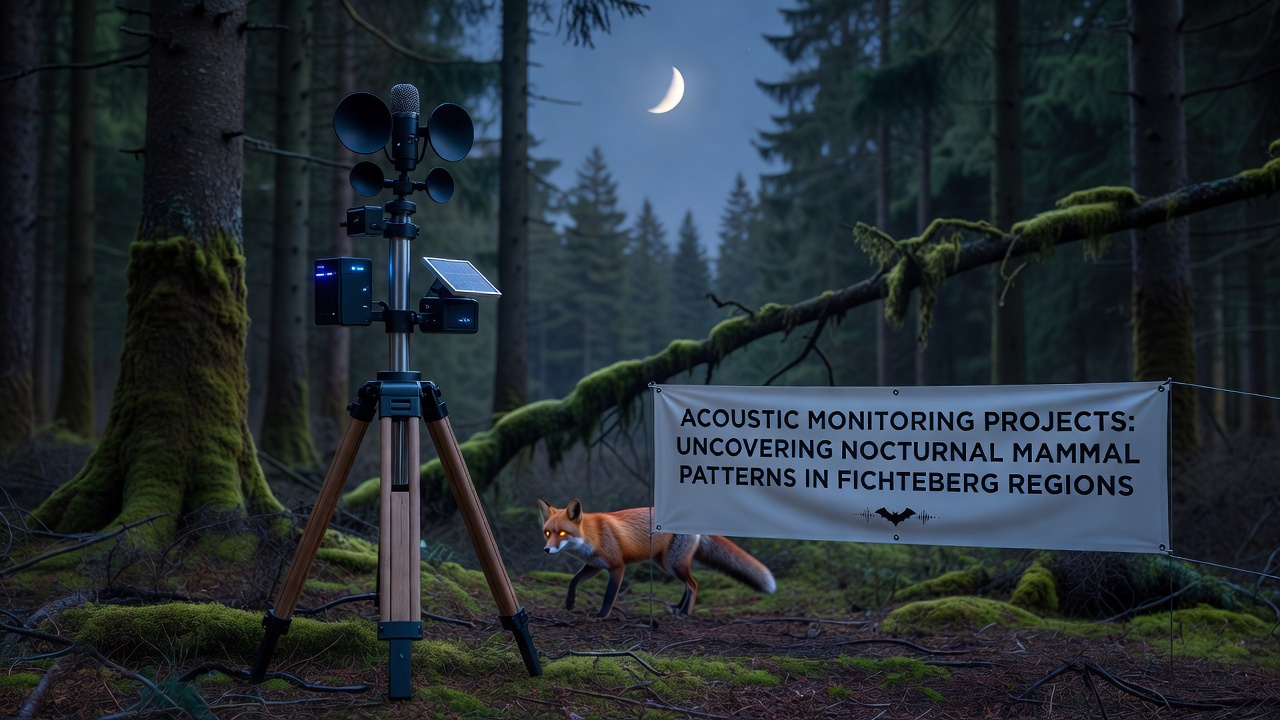
Acoustic monitoring projects in the Fichteberg regions have tracked activity patterns of nocturnal mammals through arrays of sensors positioned in forested valleys and along ridgelines. These systems capture ultrasonic and audible calls from species including bats, martens, and foxes while researchers compile datasets that reveal seasonal shifts in movement and foraging behavior. Data collection began expanding in prior years and continued through October 2026 when teams retrieved recordings from multiple sites to compare activity levels across elevation gradients.
Project Setup and Sensor Deployment
Teams placed battery-powered recorders at intervals of several hundred meters in mixed spruce and beech stands as well as open meadows near streams. Each unit logged continuous audio for periods of two to four weeks before field staff exchanged memory cards and checked calibration. The approach relies on automated detection algorithms that filter background noise from wind and precipitation while flagging potential mammal vocalizations for later verification by biologists. Equipment from various manufacturers allowed cross-checking of frequency ranges between 10 kHz and 120 kHz where most targeted species produce calls.
Calibration tests conducted each spring confirmed that detection distances remained consistent across different humidity levels typical of the region. Researchers synchronized timestamps across all stations using GPS signals so that simultaneous recordings could show whether individuals moved between adjacent valleys during single nights. In October 2026 new units added coverage in previously unsampled ravines where terrain had limited access during earlier phases.
Recorded Species and Activity Patterns
Analysis of thousands of hours of audio identified consistent peaks in bat echolocation calls between 22:00 and 02:00 local time during summer months with reduced activity after midnight in autumn. Marten vocalizations appeared more frequently along lower slopes near human settlements while red fox calls clustered around game trails that crossed open areas. Observers note that certain frequency signatures matched those documented in other central European mountain ranges which helped confirm species identification without visual confirmation.
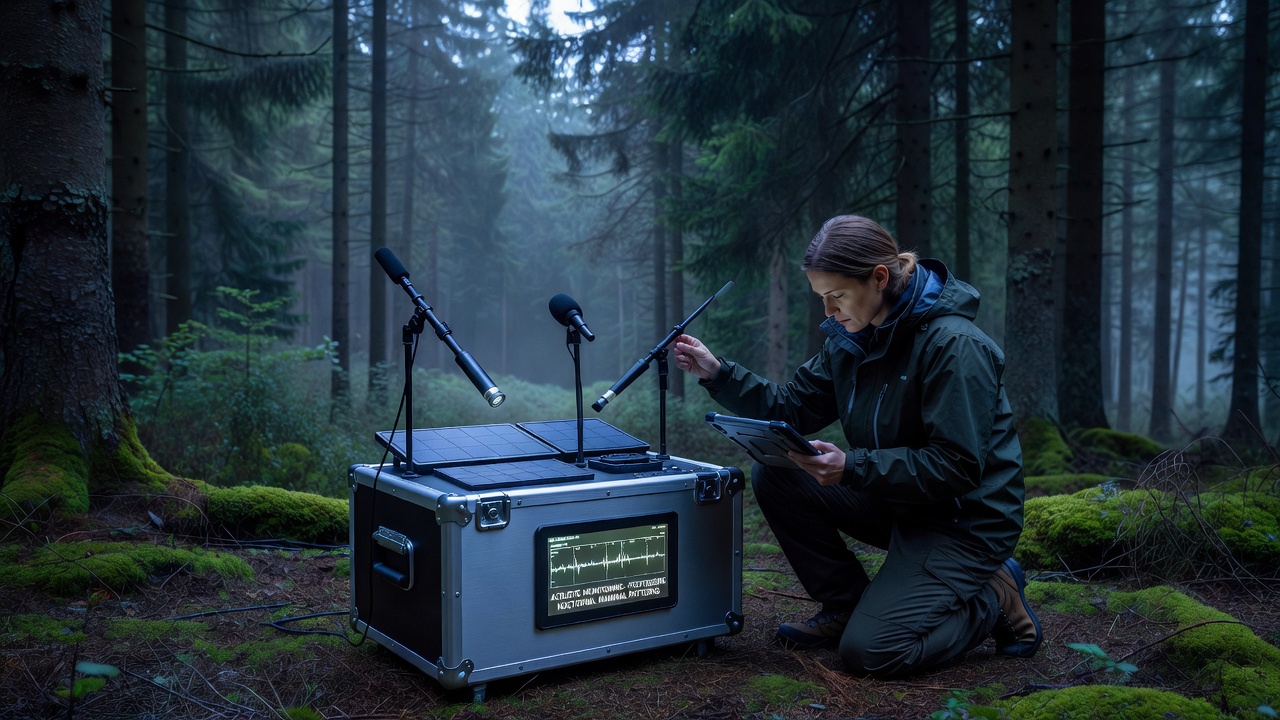
October 2026 recordings showed an earlier onset of evening activity compared with the same period in 2025 which coincided with cooler temperatures and earlier leaf drop. Longer multi-clause comparisons across three consecutive years indicated that overall detection rates for Myotis species remained stable while Pipistrellus calls increased at mid-elevation sites. These shifts align with broader observations reported by European wildlife agencies that track similar mountain habitats.
Data Processing and Validation Methods
Raw files undergo processing through open-source software packages that generate spectrograms for manual review of ambiguous signals. Teams cross-reference automated labels against a reference library built from known individuals captured briefly for call recording then released. Validation sessions occur quarterly so that seasonal changes in call structure do not produce systematic errors. One study coordinated with a university research group in Canada supplied additional machine-learning models trained on North American bat datasets that improved classification accuracy for overlapping European species.
Statistical models incorporate weather variables collected from nearby meteorological stations to account for nights when heavy rain reduced overall recording quality. The resulting activity indices allow comparison between protected core zones and buffer areas where limited forestry operations continue. Figures released in late 2026 showed that detection counts per station averaged 340 events per week during peak summer periods and dropped to 180 events by mid-October.
Integration with Regional Conservation Records
Local forestry offices receive summarized maps that highlight zones of high nocturnal mammal density so that trail maintenance and timber harvesting schedules can avoid peak activity windows. The same datasets feed into larger European monitoring networks that aggregate information from multiple mountain ranges. A report issued by the European Environment Agency outlines similar acoustic approaches applied in alpine regions of Austria and Slovenia where comparable elevation and forest composition exist. Those findings provide context for interpreting Fichteberg results within a wider geographic framework.
Additional cross-checks with camera trap images from overlapping locations confirmed that acoustic detections accurately reflected presence rather than just passing calls. This combined evidence strengthens confidence in long-term trend estimates that will continue through future field seasons.
Conclusion
Acoustic monitoring continues to supply detailed records of nocturnal mammal behavior across the Fichteberg landscape while expanding sensor coverage and refined analysis methods improve resolution of activity patterns. Ongoing collection through October 2026 and beyond supplies baseline information that supports coordinated management decisions across the region.