Henrik Foster · 1 September 2026
Citizen Science Initiatives Chart Fungal Networks Under Fichteberg Slopes
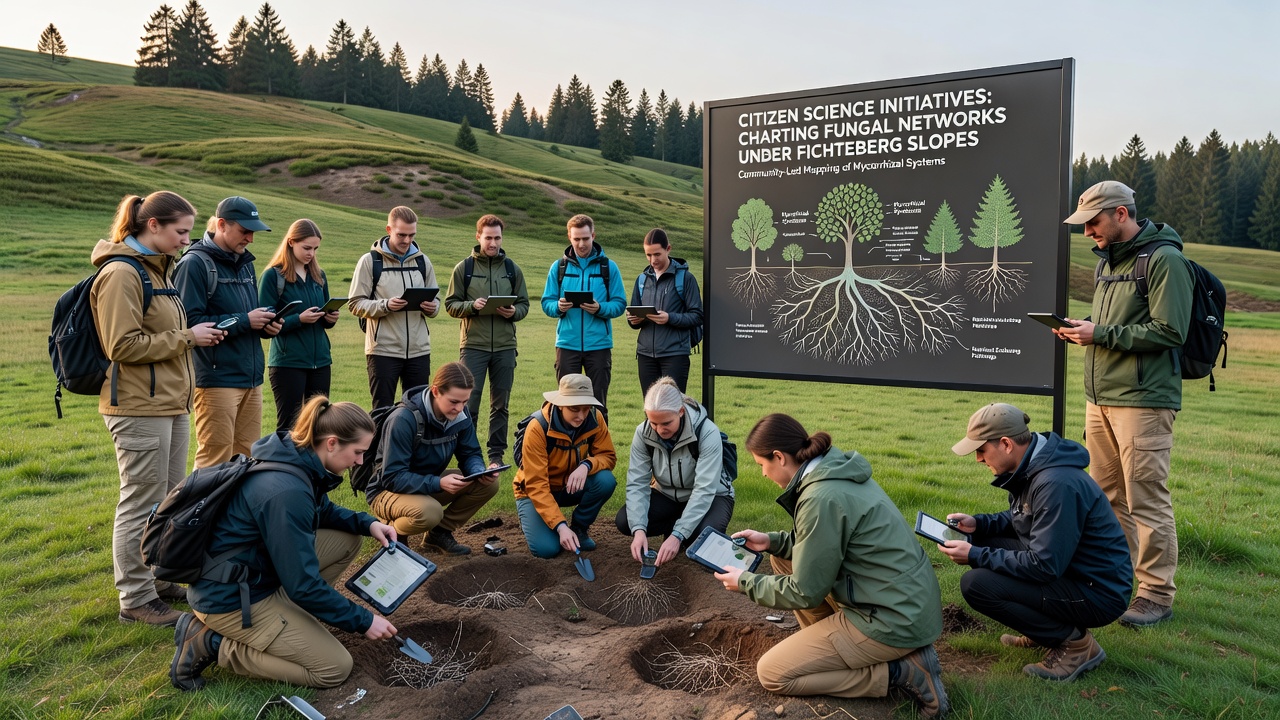
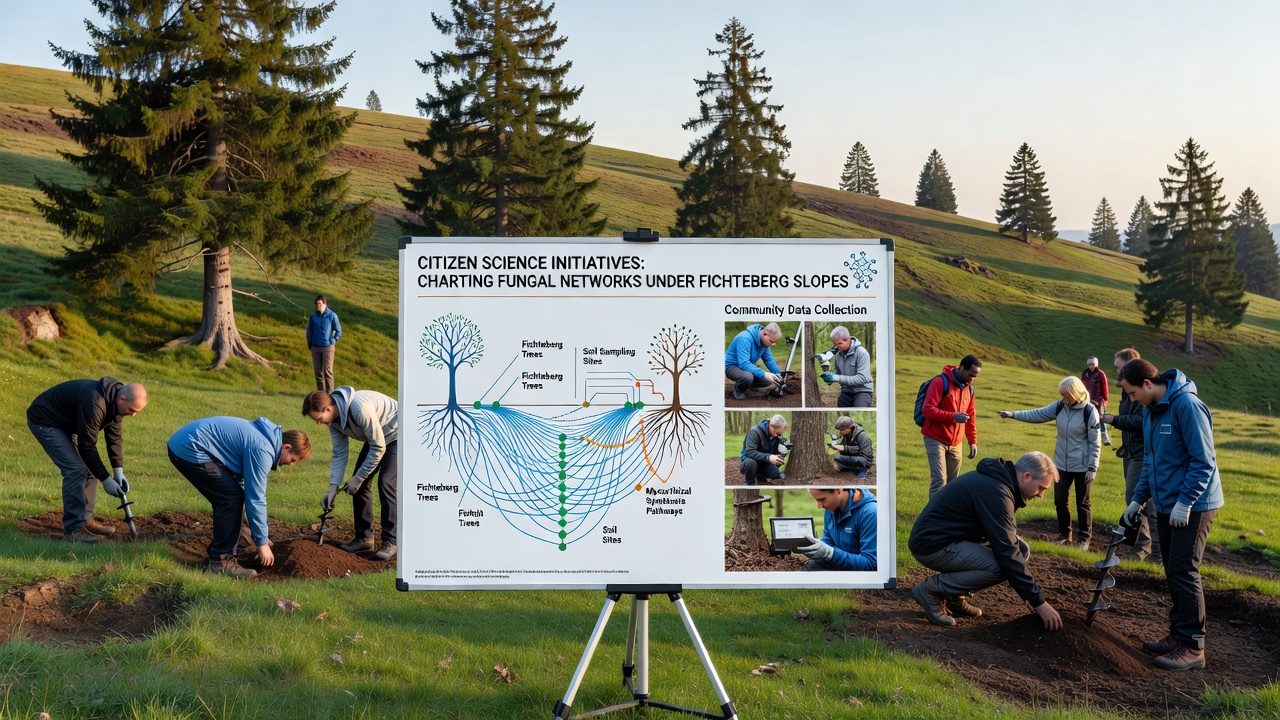
Volunteers and researchers have joined forces across the Fichteberg region to document the hidden fungal networks that link tree roots beneath the slopes, and these efforts rely on standardized soil sampling protocols combined with digital mapping tools to track mycorrhizal structures in real time. Local groups collect root and soil samples during coordinated field days, then upload genetic data to shared databases that reveal how fungi connect spruce and beech stands over large areas.
Project Scope and Methods
Participants use portable DNA sequencers in the field to identify fungal species on the spot, while GPS-tagged samples feed into geographic information systems that build layered maps of underground connections. Teams divide the slopes into grids, and each grid receives repeated visits throughout the growing season so seasonal shifts in fungal activity become visible in the aggregated records. Data from these grids show dense hyphal networks concentrated around older spruce clusters, whereas younger clearings display sparser patterns that correlate with soil moisture levels recorded at the same sites.
September 2026 Data Release
In September 2026 the initiative plans to release an updated dataset covering three full years of observations, and this release will include new layers that compare fungal density before and after recent bark beetle outbreaks on the eastern slopes. The updated maps allow forest managers to identify zones where fungal networks remain intact despite surface disturbances, which helps prioritize replanting efforts in areas that still support robust underground linkages.
Community Involvement and Training
Workshops held at the Fichteberg visitor center teach volunteers how to distinguish ectomycorrhizal from arbuscular fungi through microscope slides and simple staining techniques, and participants practice on samples collected during the same session so skills transfer directly to field conditions. Schools in nearby towns integrate the project into biology curricula, giving students opportunities to contribute real data while learning about symbiotic relationships that sustain forest health. One group of secondary students documented a previously unrecorded fungal species in a shaded gully, and their finding was later verified by university labs that confirmed the sequence matched no existing entries in public repositories.
Scientific Context and Related Research
Studies from the Helmholtz Centre for Environmental Research have shown that intact mycorrhizal networks improve tree resilience to drought stress, and the Fichteberg datasets add regional detail by showing how elevation gradients influence network density across the Ore Mountains. Observers note that networks appear thicker on north-facing slopes where cooler temperatures and higher humidity support continuous fungal growth, whereas south-facing areas show more fragmented patterns tied to drier microclimates. These patterns align with findings from Canadian forest research stations that tracked similar elevation effects in conifer stands, although the Fichteberg work focuses on mixed deciduous-conifer systems unique to central Europe.
Technology and Data Sharing
Custom smartphone apps guide volunteers through sample collection steps and automatically tag entries with timestamps and weather data pulled from nearby stations, which reduces transcription errors and speeds the flow of information into central servers. The project shares anonymized genetic sequences through an open-access platform hosted by a European research consortium, allowing scientists worldwide to cross-reference Fichteberg findings with datasets from other mountain regions. Early analyses indicate that certain fungal families dominate the deeper soil layers, while others cluster near the surface where they interact more directly with leaf litter decomposition.
Future Monitoring Plans
Project coordinators plan to expand sampling into adjacent valleys next year, and they intend to incorporate drone-based hyperspectral imaging to estimate surface vegetation health as a proxy for underground network vitality. Continued citizen participation will remain central because the scale of the slopes requires many hands to maintain regular coverage across all grids. Figures from the current database already reveal that areas with higher volunteer activity also report more consistent seasonal sampling, which improves the statistical power of long-term trend detection.
Conclusion
The combined records from these citizen science efforts provide a growing baseline for understanding how fungal networks respond to changing climate conditions on the Fichteberg slopes, and the open data approach ensures that findings can inform both local management decisions and broader ecological models. Continued collaboration between volunteers, schools, and research institutions supports ongoing documentation of these underground systems that sustain the forest above.