Lars Roth · 31 August 2026
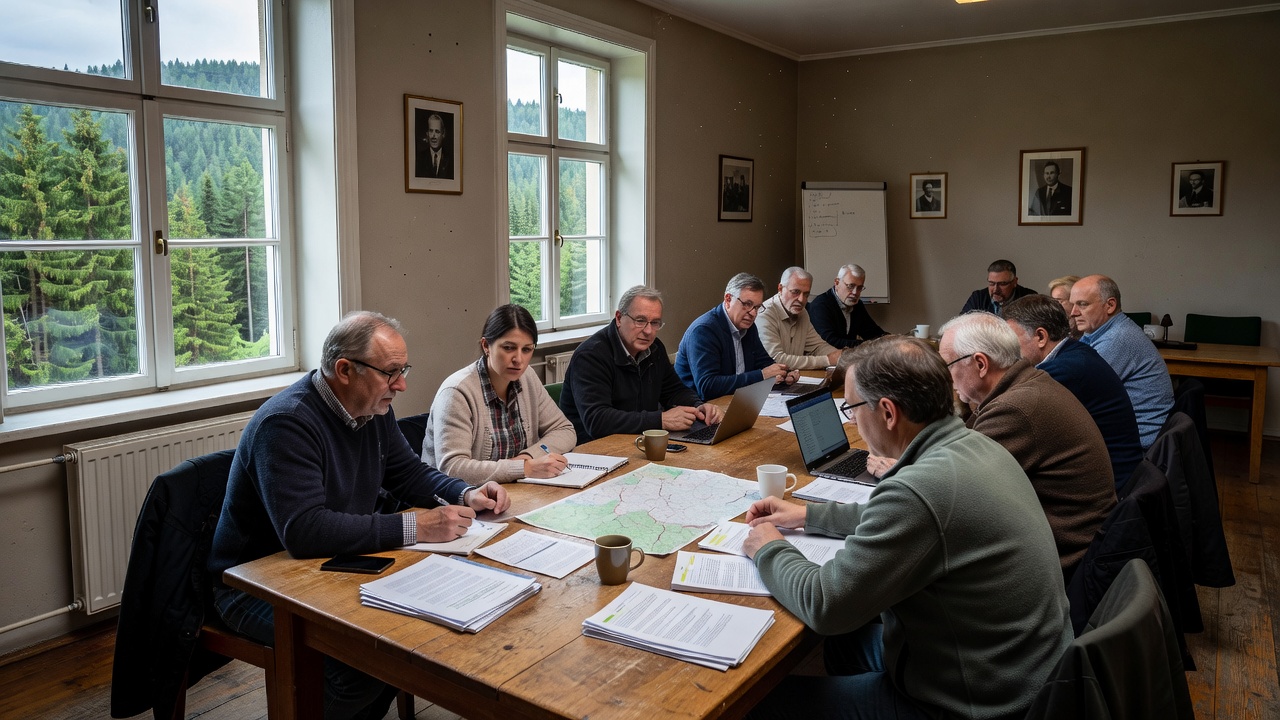
The Fichteberg local council convened on Tuesday to debate new protections for the spruce forests that dominate the region's landscape. Officials emphasized the woodlands' role in supporting biodiversity, regulating water flow, and attracting tourists who contribute significantly to the local economy. Recent environmental assessments have raised alarms about declining forest health, prompting calls for immediate policy changes.
Environmental Threats and Data Reviewed
Presentations at the meeting detailed threats including bark beetle outbreaks linked to milder winters and extended dry periods that weaken trees. Data from regional surveys showed a notable reduction in canopy density across several stands, with affected areas expanding by roughly fifteen percent in five years. Council members examined proposals for buffer zones around vulnerable sites, restrictions on commercial logging, and investments in reforestation using drought-tolerant varieties. Forestry representatives argued that measured harvesting remains essential for economic stability, while environmental groups urged stricter limits to prevent further degradation. Soil erosion concerns and impacts on wildlife corridors were also discussed at length.
Proposed Actions and Community Response
Attendees agreed to establish a dedicated working group tasked with drafting updated forest regulations within ninety days. Public hearings will follow to incorporate feedback from residents, hikers, and business owners who depend on the forests. Suggested measures include seasonal access controls, drone-based monitoring programs, and incentives for private landowners adopting sustainable practices. The council stressed cooperation with adjacent municipalities to align standards and avoid fragmented efforts. These steps aim to safeguard the spruce forests' ecological functions and scenic value amid ongoing climate pressures, with progress reports scheduled for review in the coming months.