Tina Roth · 13 October 2026
Local Groups Document Shifting Insect Populations in Fichteberg Ravines Through Seasonal Counts
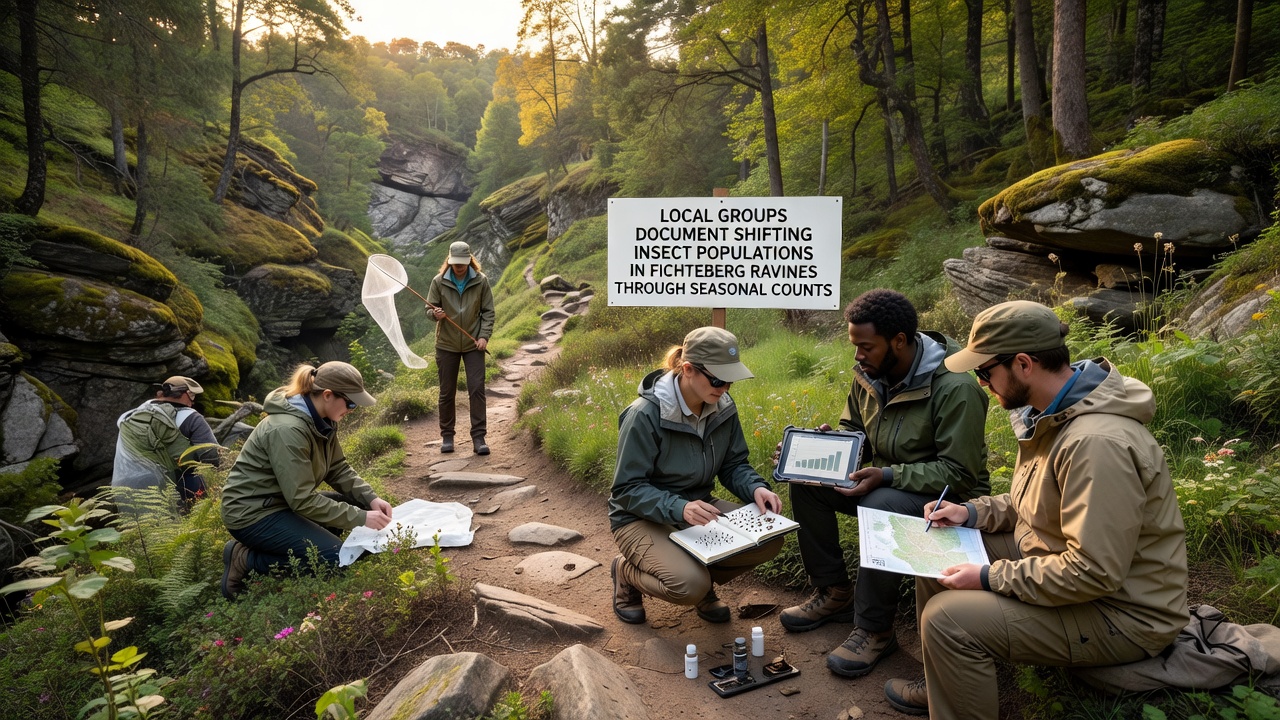
Local volunteer networks around Fichteberg have maintained consistent seasonal insect monitoring programs in the ravines for several years, and these efforts rely on standardized counting protocols that track species presence across spring, summer, autumn, and winter periods. Groups coordinate with regional biologists to log observations at fixed transects, where participants record beetles, butterflies, flies, and other arthropods using sweep nets, pitfall traps, and visual transects during set time windows each month.
Data collection occurs on scheduled weekends, and teams compare results from one season to the next while noting temperature, humidity, and vegetation changes at each site. Records from these counts feed into shared databases that allow researchers to identify trends over multiple years without requiring full-time professional staffing at every location.
Methods Used in Ravine Surveys
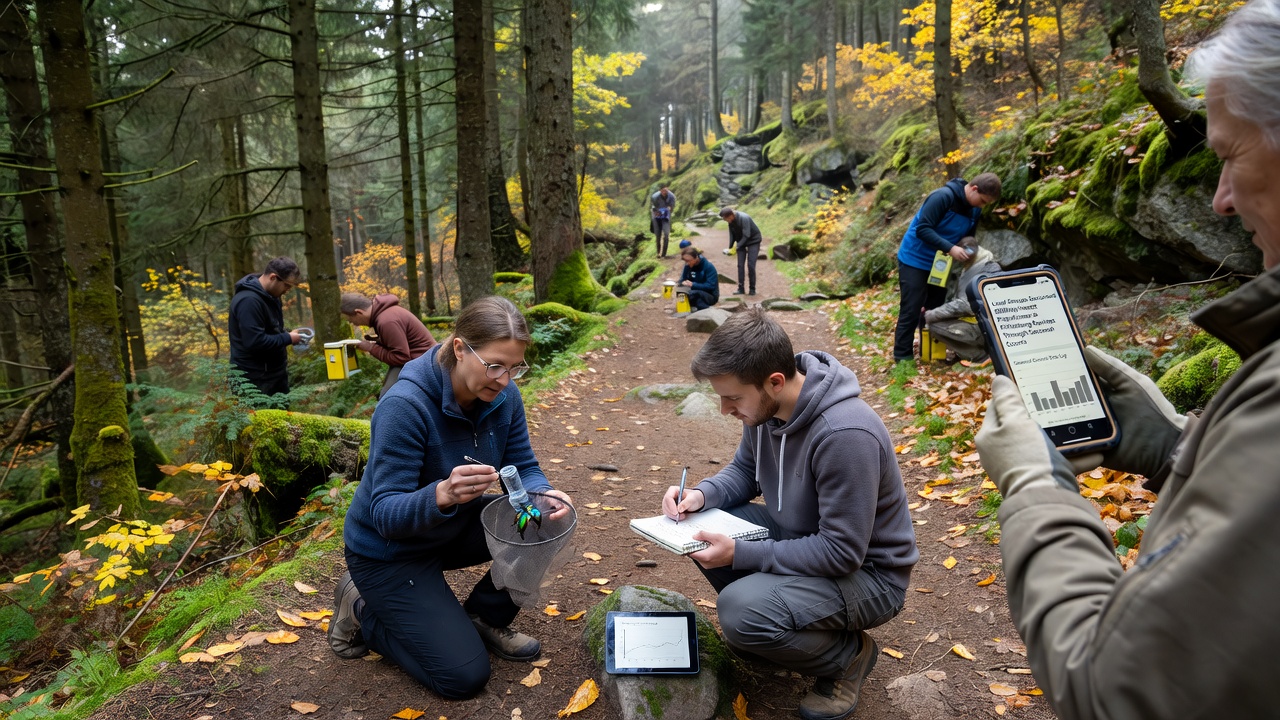
Participants divide ravine sections into marked segments and conduct timed walks that last thirty minutes per segment, and they repeat the process at dawn, midday, and dusk to capture activity patterns across different insect groups. Pitfall traps placed at ground level collect specimens that are later identified under magnification before release, while hand-held counters help tally flying insects observed along the paths. Groups photograph voucher specimens when species identification requires confirmation from experts, and they log all entries through mobile applications that timestamp and geolocate each record.
Training sessions held before each major counting period ensure volunteers apply the same criteria, and organizers supply identification guides focused on taxa common to the Fichteberg area. These guides include regional variations that account for altitude differences between upper and lower ravine zones, and cross-checks with museum collections help maintain accuracy when unusual specimens appear.
Patterns Observed Through 2026
Counts completed through October 2026 indicate measurable shifts in several families, with some ground beetles showing reduced numbers in lower ravine sections while certain moth species appear more frequently at higher elevations. Spring surveys recorded earlier emergence dates for select pollinators compared with records from five years prior, and summer counts documented changes in the ratio of predatory to herbivorous insects along north-facing slopes. Autumn data from the same period revealed continued presence of species typically associated with milder conditions, and winter samples contained fewer overwintering larvae in leaf litter than expected based on earlier baselines.
These observations align with broader European monitoring efforts, and figures from the European Environment Agency provide context on temperature-driven range adjustments reported across similar mountain habitats. Local teams note that ravine microclimates buffer some extremes yet still reflect regional warming trends documented in long-term climate records.
Collaboration with Research Institutions
University departments in Saxony have supplied equipment and analysis support for the volunteer programs, and joint projects compare field counts against sensor data on soil moisture and canopy temperature. Reports shared with the Federal Agency for Nature Conservation help integrate local findings into national biodiversity assessments, and periodic workshops allow volunteers to review preliminary trend analyses alongside professional ecologists. Such partnerships extend the reach of the seasonal counts without shifting primary responsibility away from community groups.
Database entries now span enough years to support statistical comparisons, and analysts apply standard diversity indices to quantify changes in species richness and evenness between seasons. Results feed into models that project future distributions under continued climate variation, and groups receive feedback on how their data contribute to these projections during annual summary meetings.
Next Steps for Ongoing Monitoring
Plans for the coming seasons include expanded trap networks in additional ravine branches and increased nighttime surveys to document moth and beetle activity that daytime counts may miss. Organizers continue to recruit participants through local nature clubs and school programs, and they maintain equipment caches at central meeting points to reduce barriers for new volunteers. Data sharing protocols remain open to approved researchers, and groups schedule reviews each January to adjust counting schedules based on prior year results.
Conclusion
Seasonal insect counts organized by Fichteberg community groups continue to generate detailed records of population changes in the ravines, and these records support scientific understanding of how local ecosystems respond to shifting conditions. Continued participation ensures the datasets remain current, while partnerships with established institutions provide analytical depth without altering teh volunteer-led structure of the work.